




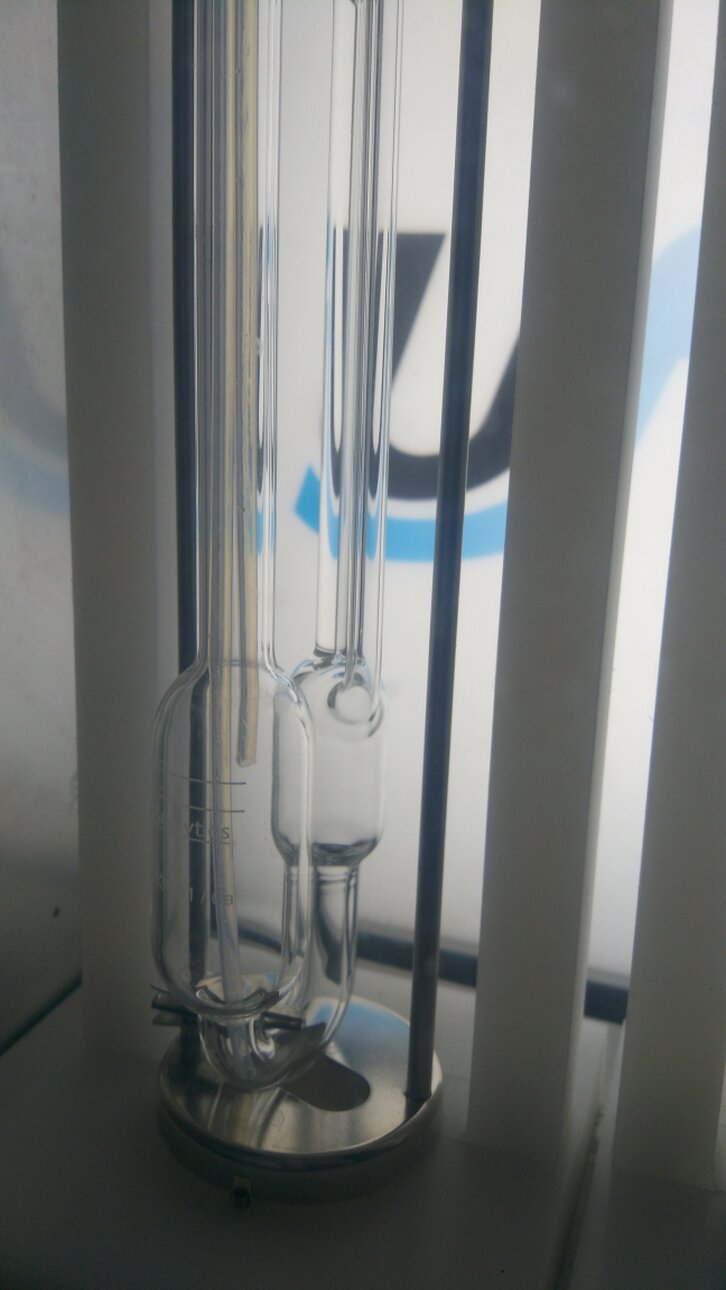
In a capillary viscometer, the liquid flows through a narrow tube under well-defined pressure (atmosphere) and temperature conditions. Under typical operating conditions the flow is laminar: the liquid moves in parallel layers, with a parabolic velocity profile from the tube wall to the centre.
The key idea is simple: for a given capillary geometry and temperature, the volumetric flow rate is directly linked to the pressure drop over the capillary and to the liquid’s dynamic viscosity. This relationship is described by Poiseuille’s law for laminar flow in a circular tube. In practice, the proportionality factor – the so‑called capillary constant – is determined by calibration with liquids of known viscosity.
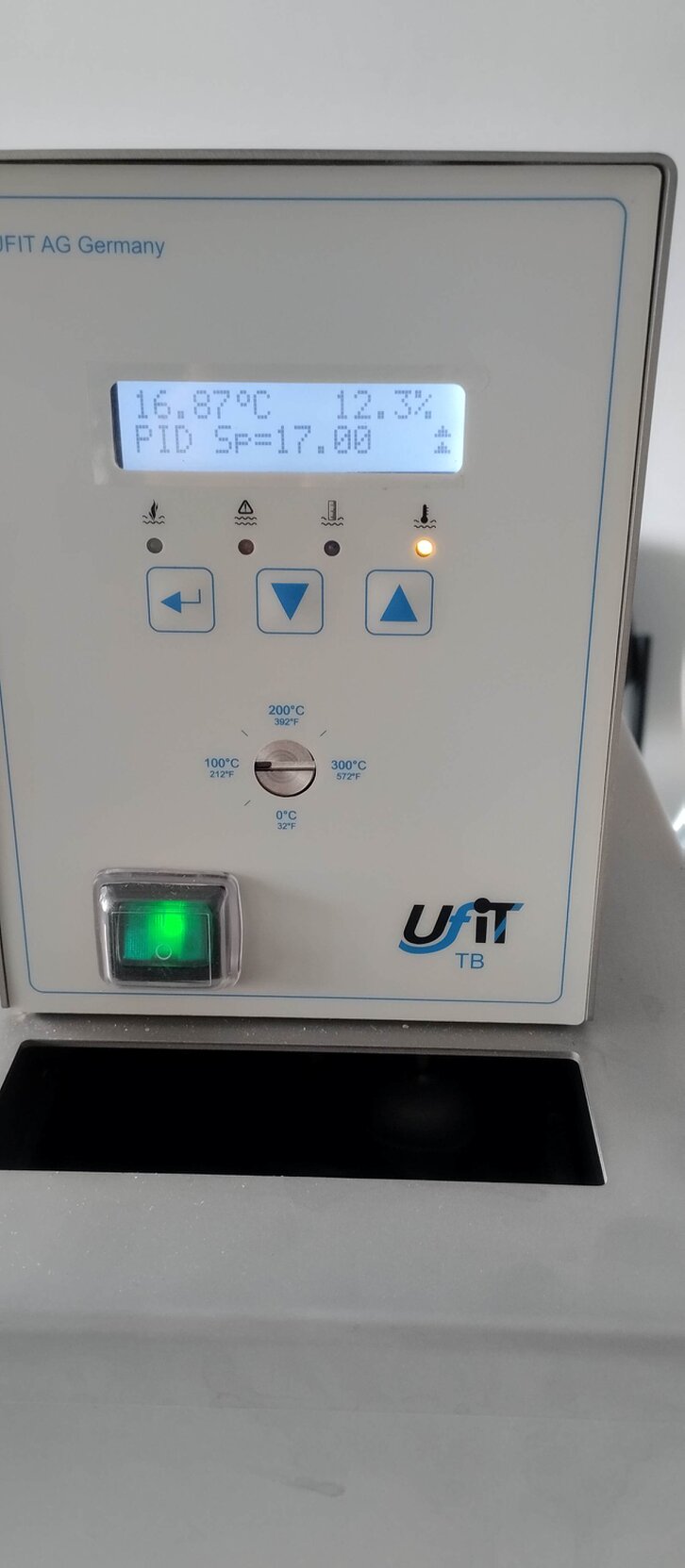
UFIT systems keep the flow regime within the laminar range, avoid entrance effects as far as possible, and monitor pressure and temperature precisely. This allows the viscosity to be calculated reliably from the measured flow values at atmosphere.
The key idea is simple: for a given capillary geometry and temperature, the volumetric flow rate is directly linked to the pressure drop over the capillary and to the liquid’s dynamic viscosity. This relationship is described by Poiseuille’s law for laminar flow in a circular tube. In practice, the proportionality factor – the so‑called capillary constant – is determined by calibration with liquids of known viscosity.
UFIT systems keep the flow regime within the laminar range, avoid entrance effects as far as possible, and monitor pressure and temperature precisely. This allows the viscosity to be calculated reliably from the measured flow values at atmosphere.
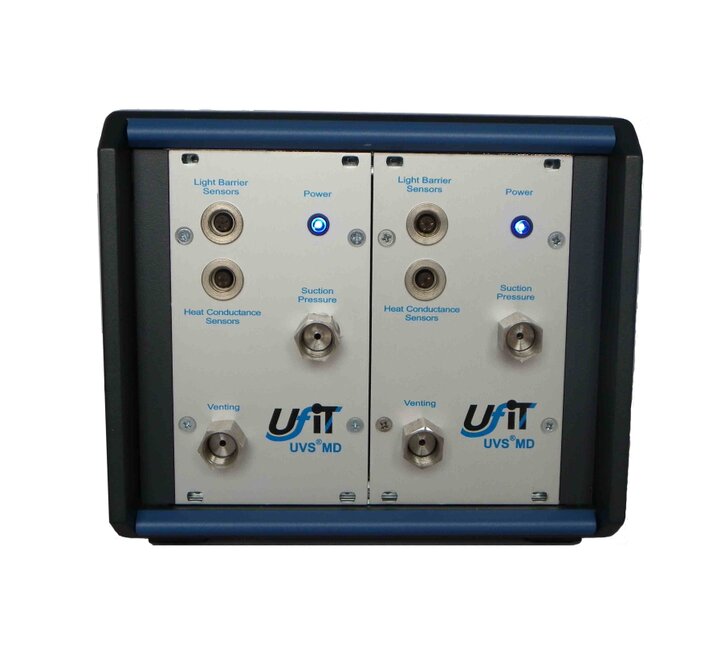
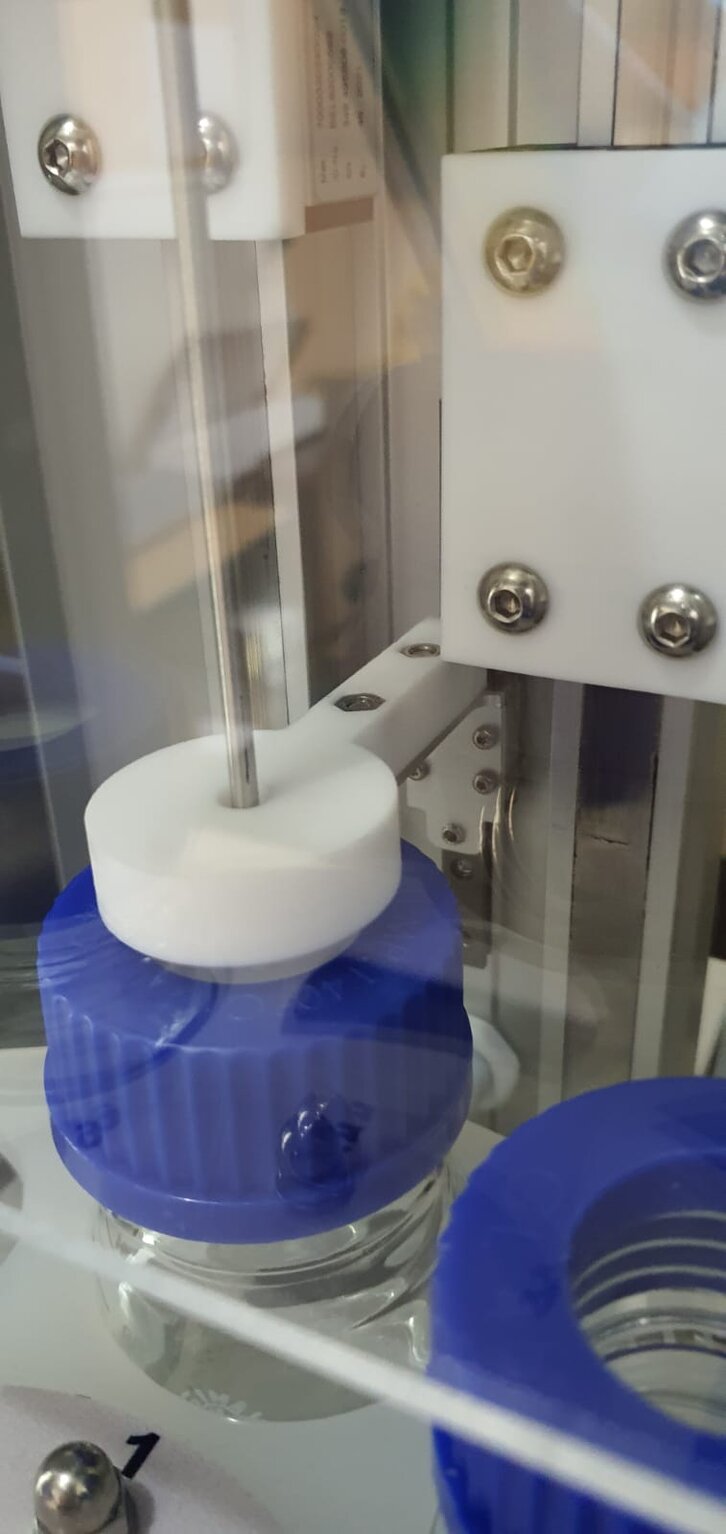
UFIT combines these modules into robust, modular systems. Depending on the application, the same capillary principle can be implemented in compact laboratory instruments or fully integrated inline systems with automated sampling, cleaning, and data transfer.
The modular design allows the measurement range, chemical resistance, and level of automation to be adapted to your process requirements – often even retrofitted at a later stage.
The modular design allows the measurement range, chemical resistance, and level of automation to be adapted to your process requirements – often even retrofitted at a later stage.
UFIT systems can be used in both modes. In many industrial applications, relative viscosity or viscosity index is ideal: it focuses on reproducible trends and tolerances instead of absolute numbers.
Where absolute, traceable viscosity values are required – for example in R&D, product development, or method comparison – UFIT systems are calibrated with certified viscosity standards and the calibration procedure is documented accordingly.
Where absolute, traceable viscosity values are required – for example in R&D, product development, or method comparison – UFIT systems are calibrated with certified viscosity standards and the calibration procedure is documented accordingly.
| Aspect | Relative viscosity | Absolute viscosity |
|---|---|---|
| Definition | Viscosity ratio of a sample to a reference liquid measured in the same capillary setup. | Dynamic viscosity in physical units (e.g. mPa·s), traceable to primary standards. |
| Typical use | Quality control, trend monitoring, comparison of batches or formulations. | R&D, specification of products, comparison between different methods or instruments. |
| Calibration effort | Requires at least one stable reference fluid; capillary constant cancels out when using ratios. | Requires calibration with certified viscosity standards and documentation of traceability. |
| Sensitivity to geometry | Less sensitive; many systematic effects cancel if reference and sample see the same capillary. | More sensitive; capillary dimensions and flow profile must be known or captured via calibration. |
| Output | Dimensionless ratio or index, directly comparable within the same system. | Physical viscosity value that can be compared between different instruments and methods. |
Key factors influencing accuracy and reproducibility include:
UFIT systems are designed to effectively control these factors through robust hardware, advanced flow detection, continuous temperature monitoring throughout the measurement process, and a fully configurable cleaning program.
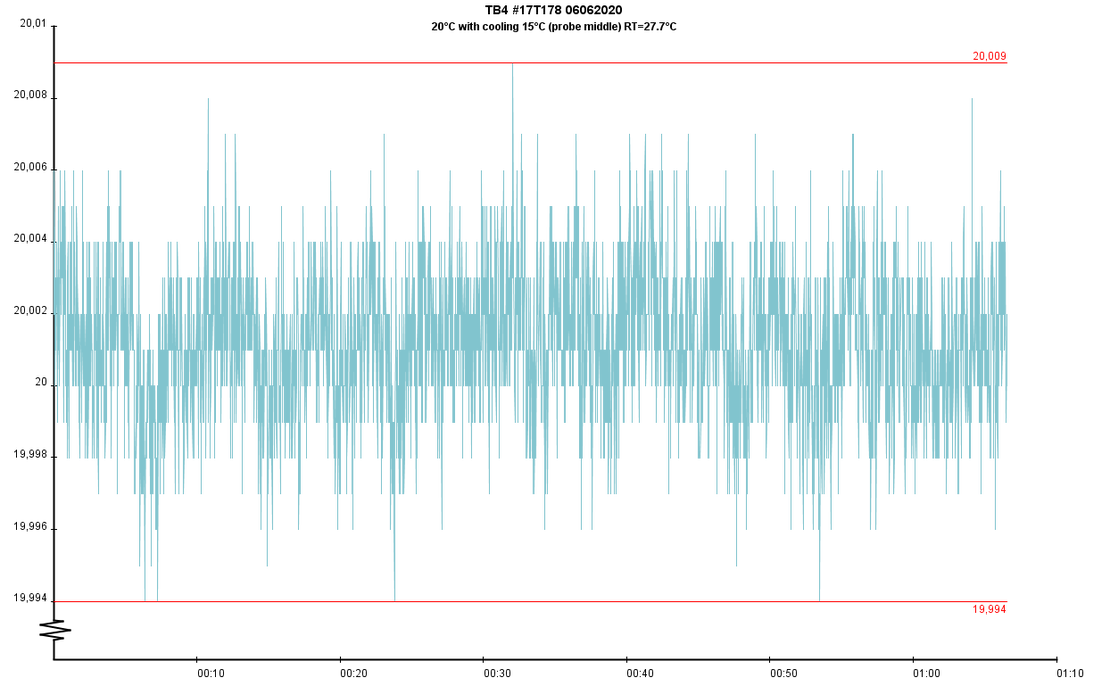
- Temperature stability and uniformity along the capillary
- Stable and accurately measured flow
- Precisely defined capillary geometry and surface condition
- Cleanliness of the capillary
- Consistent sample preparation and conditioning
UFIT systems are designed to effectively control these factors through robust hardware, advanced flow detection, continuous temperature monitoring throughout the measurement process, and a fully configurable cleaning program.
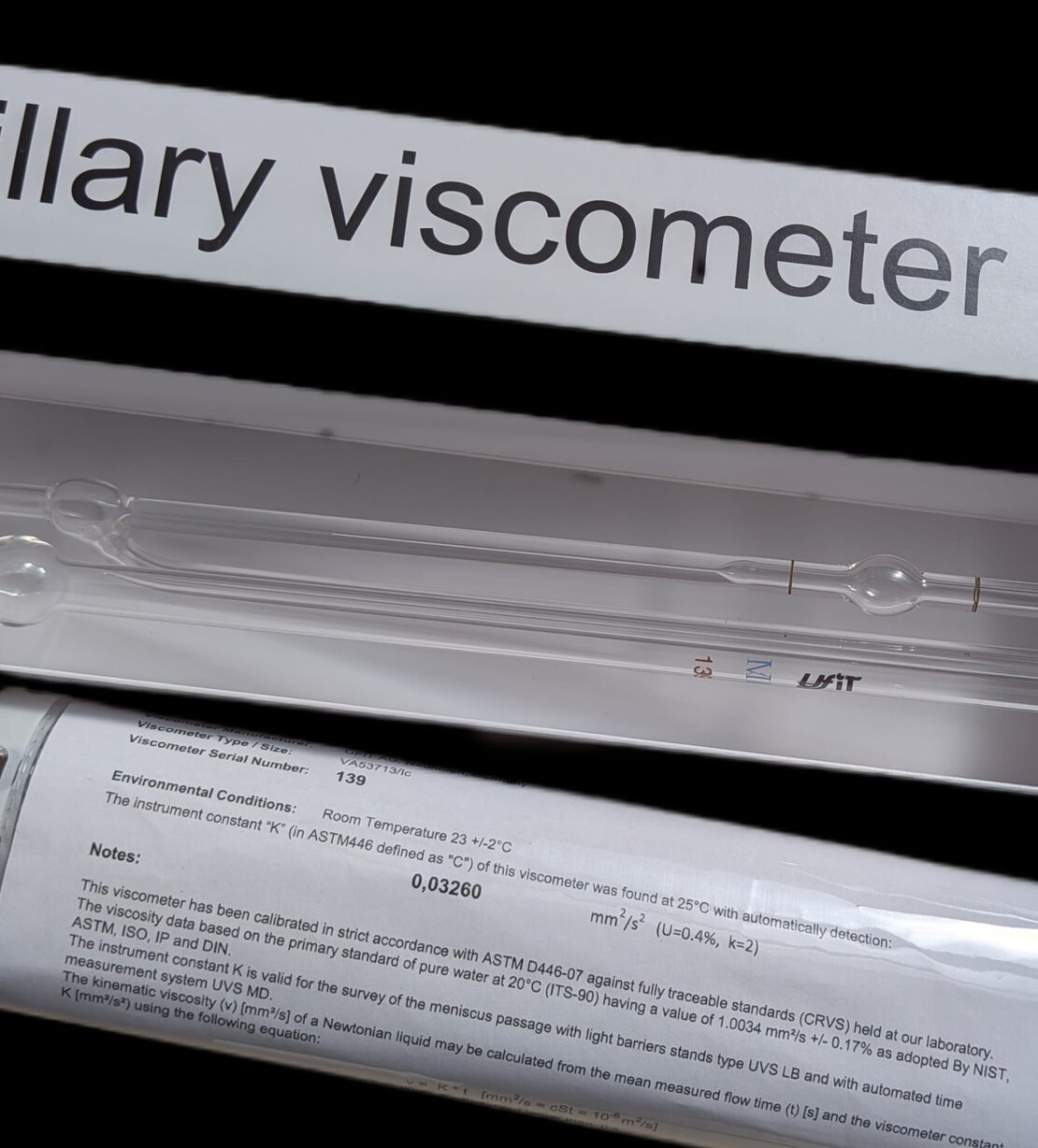
To translate pressure and flow readings into viscosity, each UFIT system is calibrated with reference liquids of known viscosity at the relevant temperature. This determines the effective capillary constant and compensates for systematic influences, reducing measurement errors to a minimum.
Regular verification with the UFIT Calibration Standards or customer-specific standards ensures that the calibration remains valid. Deviations can be detected early and, if necessary, the system can be recalibrated or the capillary replaced.
All relevant calibration parameters and procedures can be documented, supporting audits and internal quality management requirements.
Regular verification with the UFIT Calibration Standards or customer-specific standards ensures that the calibration remains valid. Deviations can be detected early and, if necessary, the system can be recalibrated or the capillary replaced.
All relevant calibration parameters and procedures can be documented, supporting audits and internal quality management requirements.

Share your experience with UFIT viscosity systems
There are no reviews yet.